
MEMBER BENEFIT

The WSC Soccer Tips library

Player development doesn't stop when practice ends. Registered Wetaskiwin Soccer Club families get an on-demand coaching library — browse, search, build playlists and train at home all season long.

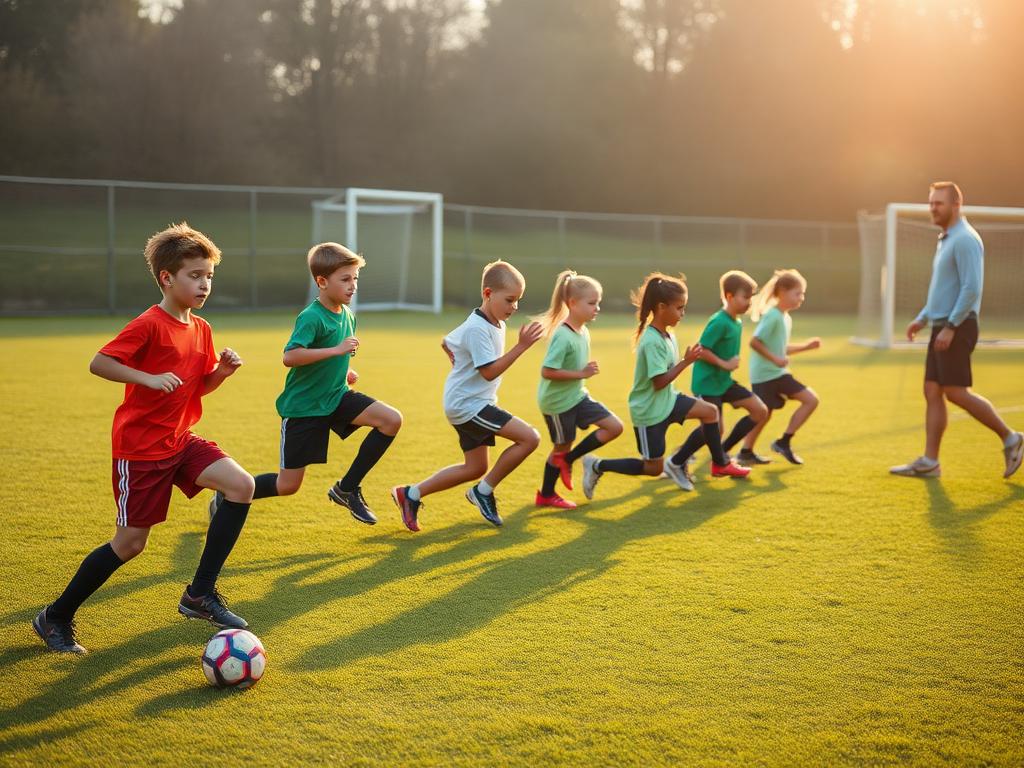
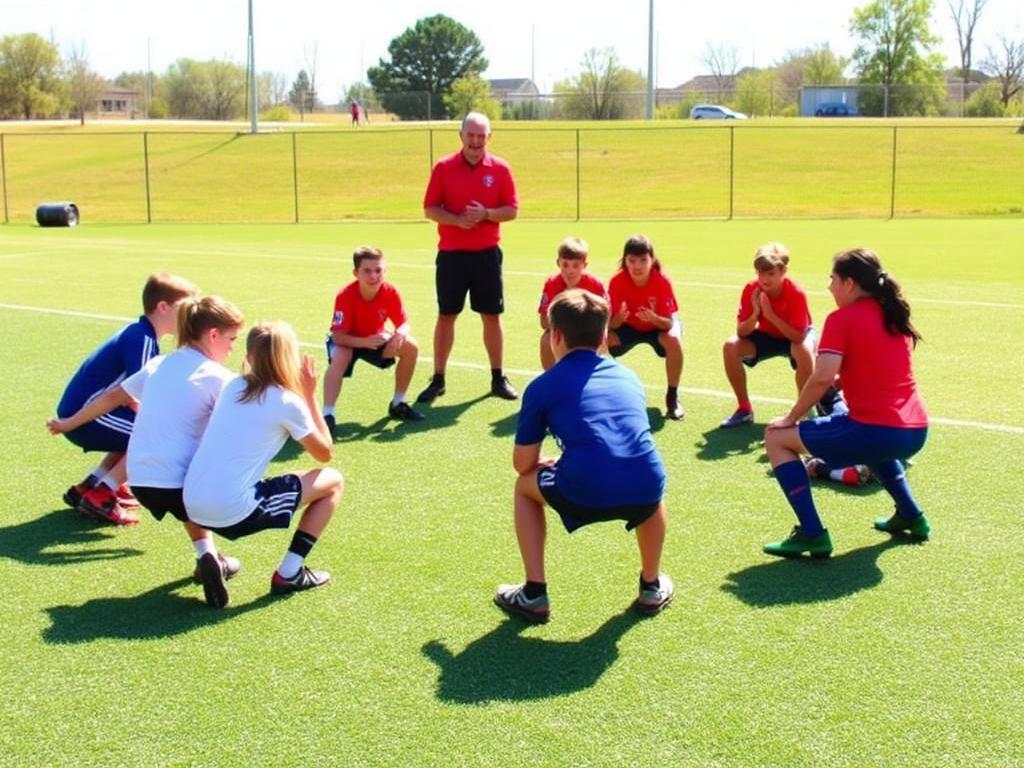
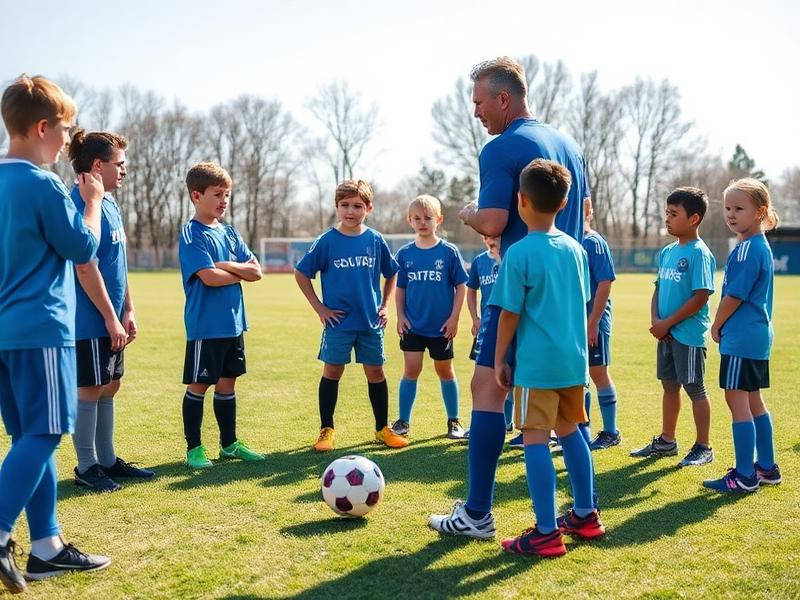
WSC coach demonstrating a drill to a group of young players

Coach-approved coaching

Every clip is chosen by WSC coaches so what your child practises at home matches what we teach at the field.

Young player watching a training video on a tablet beside a soccer ball

Build your own playlist

Save the drills your player needs this week and work through them like a training plan.

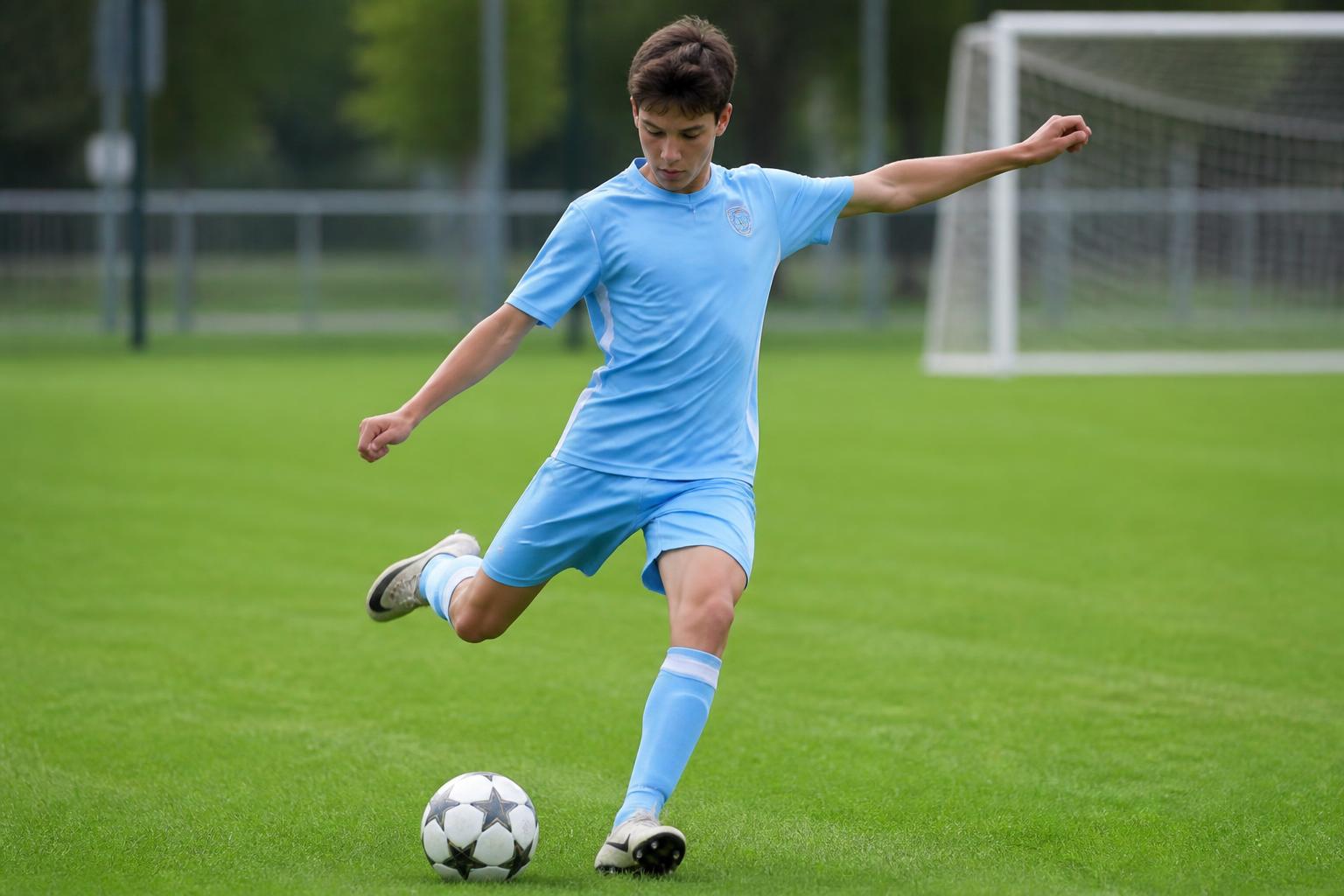
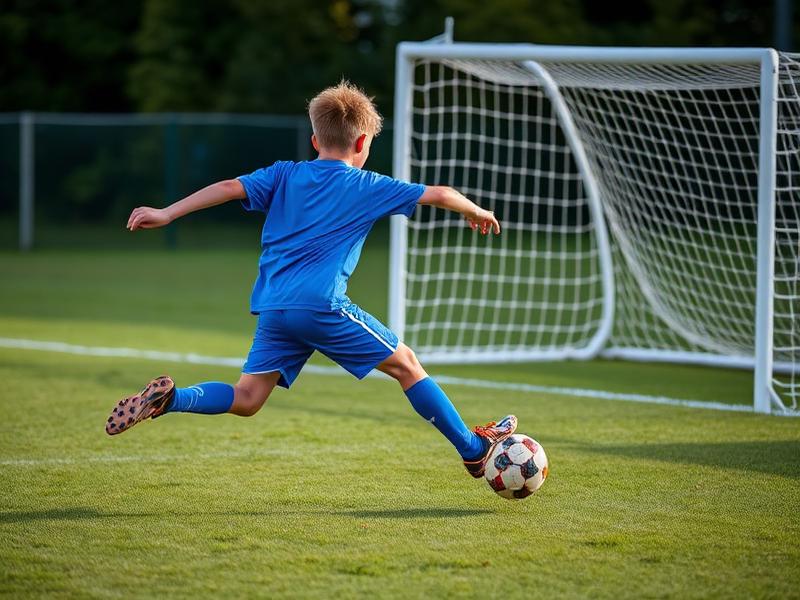
Youth player striking the ball at goal during a match

Skills that show up on game day

First touch, 1v1 defending, finishing and keeper basics — organised by age and skill level.

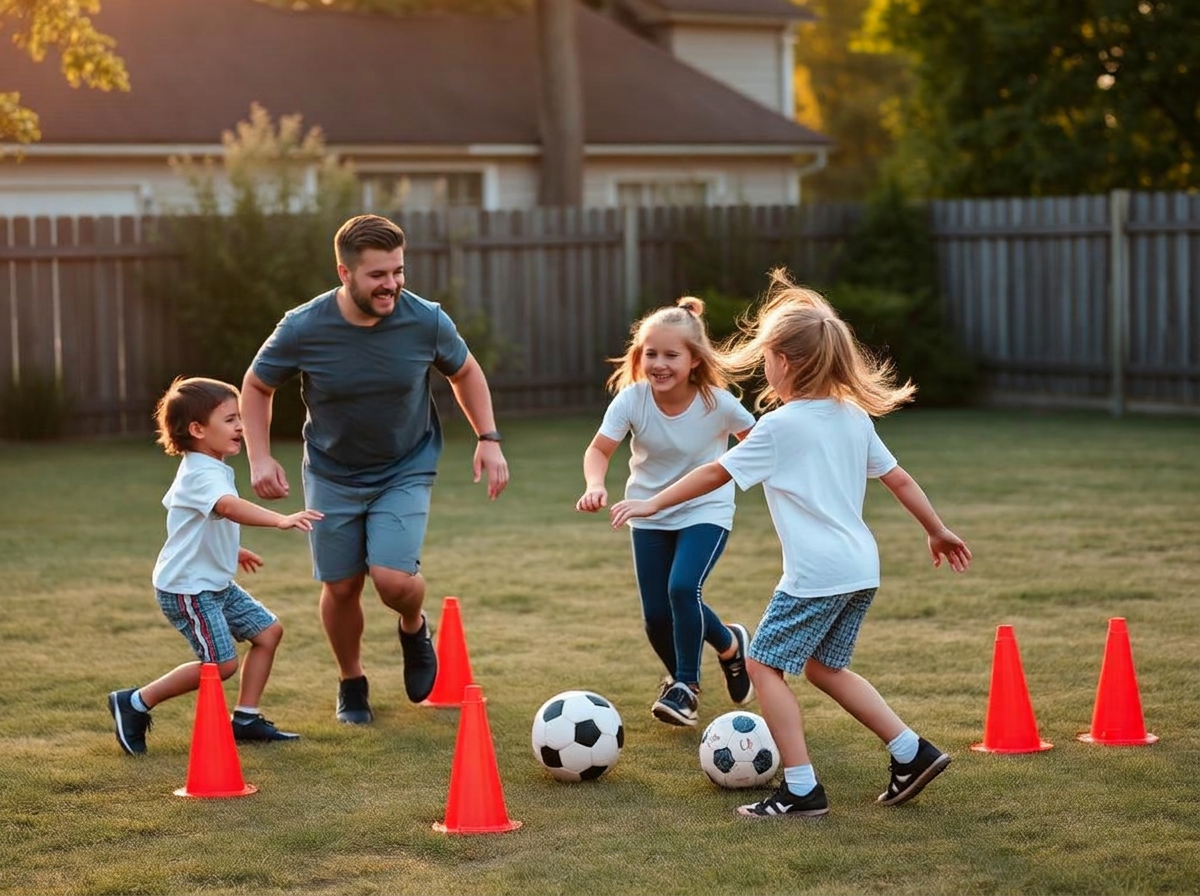
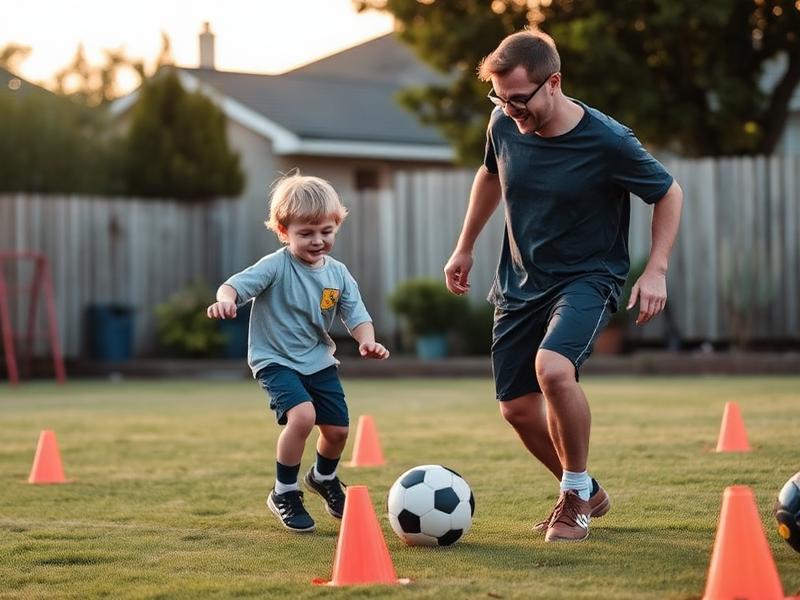
Parent and child dribbling a soccer ball through cones in the backyard

Made for families

Short, backyard-friendly sessions parents can run in 20 minutes a day. No equipment required.

The complete guide

Soccer tips for players and families

Good soccer players develop through regular practice, healthy food, proper rest, teamwork and a positive attitude. Use these tips at home, at practice, and before or after games. Choose activities suited to your age, fitness level and team schedule — and ask your coach or parent for help when needed.

01 — Fuel & hydration

Before the game

Eat early enough to digest your meal before playing. Choose familiar foods and avoid heavy meals close to game time.
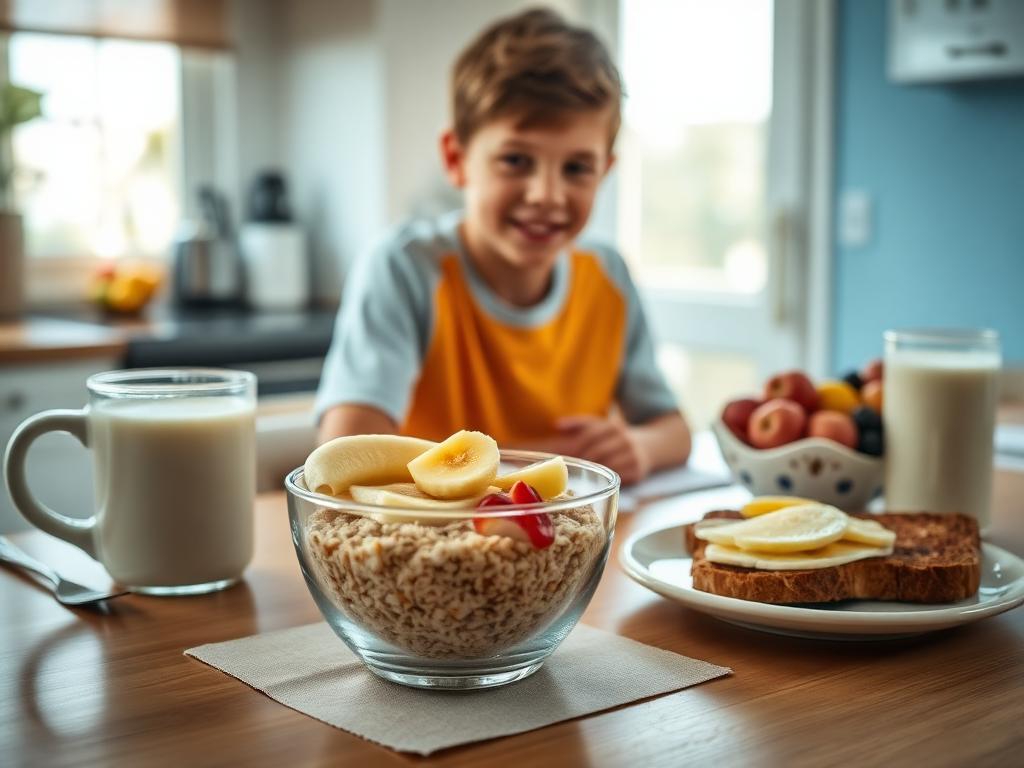
Pre-game breakfast of oatmeal with banana, toast with eggs, yogurt and milk
Morning game: eat three or more hours before kickoff.
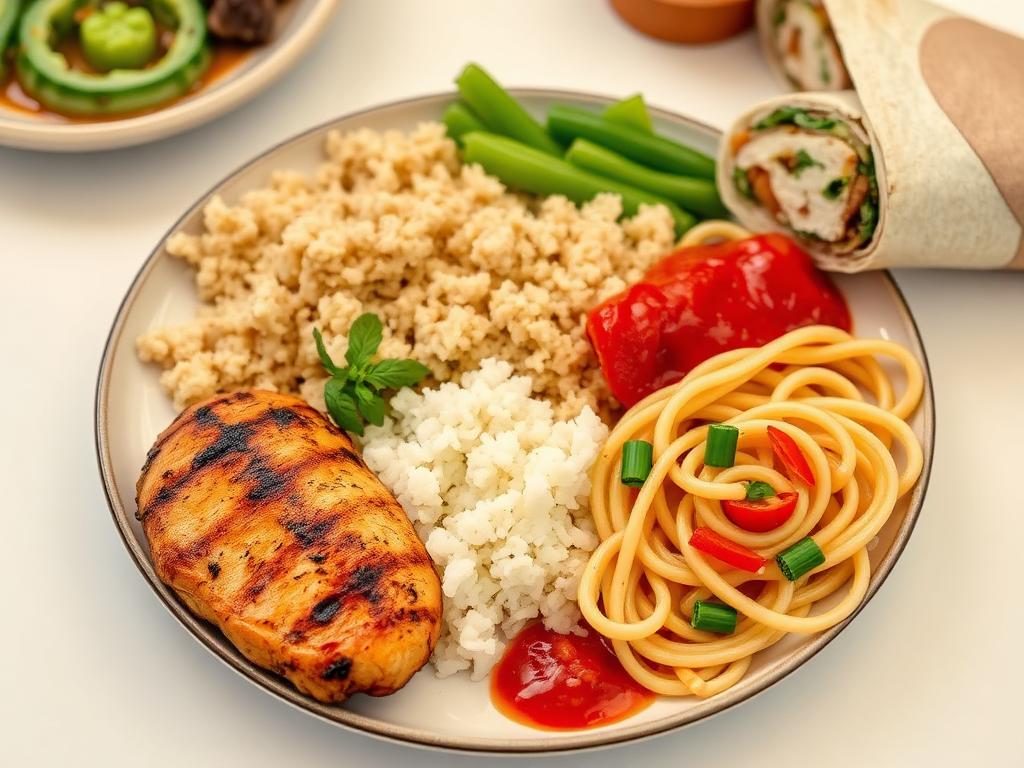
Balanced pre-game meal of chicken, rice, pasta, vegetables and a wrap
Afternoon or evening game: a balanced meal three to four hours before.

Breakfast ideas — three or more hours before

  • Oatmeal with banana and milk
  • Whole-grain toast with eggs
  • Yogurt with fruit and cereal
  • Peanut butter or seed butter on toast
  • A fruit smoothie with yogurt and oats
  • Whole-grain cereal with milk and fruit

One or two hours before the game

  • A banana
  • Applesauce
  • Toast with a small amount of peanut butter
  • Yogurt
  • A granola bar lower in fat and fibre
  • Crackers and cheese
  • A small fruit smoothie

Before an afternoon or evening game

  • Chicken, rice and vegetables
  • Pasta with tomato sauce and lean meat
  • A turkey sandwich with fruit
  • Rice with eggs and vegetables
  • A baked potato with chicken or beans
  • A wrap with lean meat, vegetables and cheese

Pre-game food tips

  • Choose foods your stomach already knows.
  • Avoid fried, greasy or spicy meals before playing.
  • Avoid large amounts of candy and pop.
  • Do not try a new energy drink, supplement or food before a game.
  • Drink water throughout the day.
  • Bring your own labelled water bottle.
  • Tell your coach about food allergies or medical needs.
02 — Fuel & hydration

Hydration

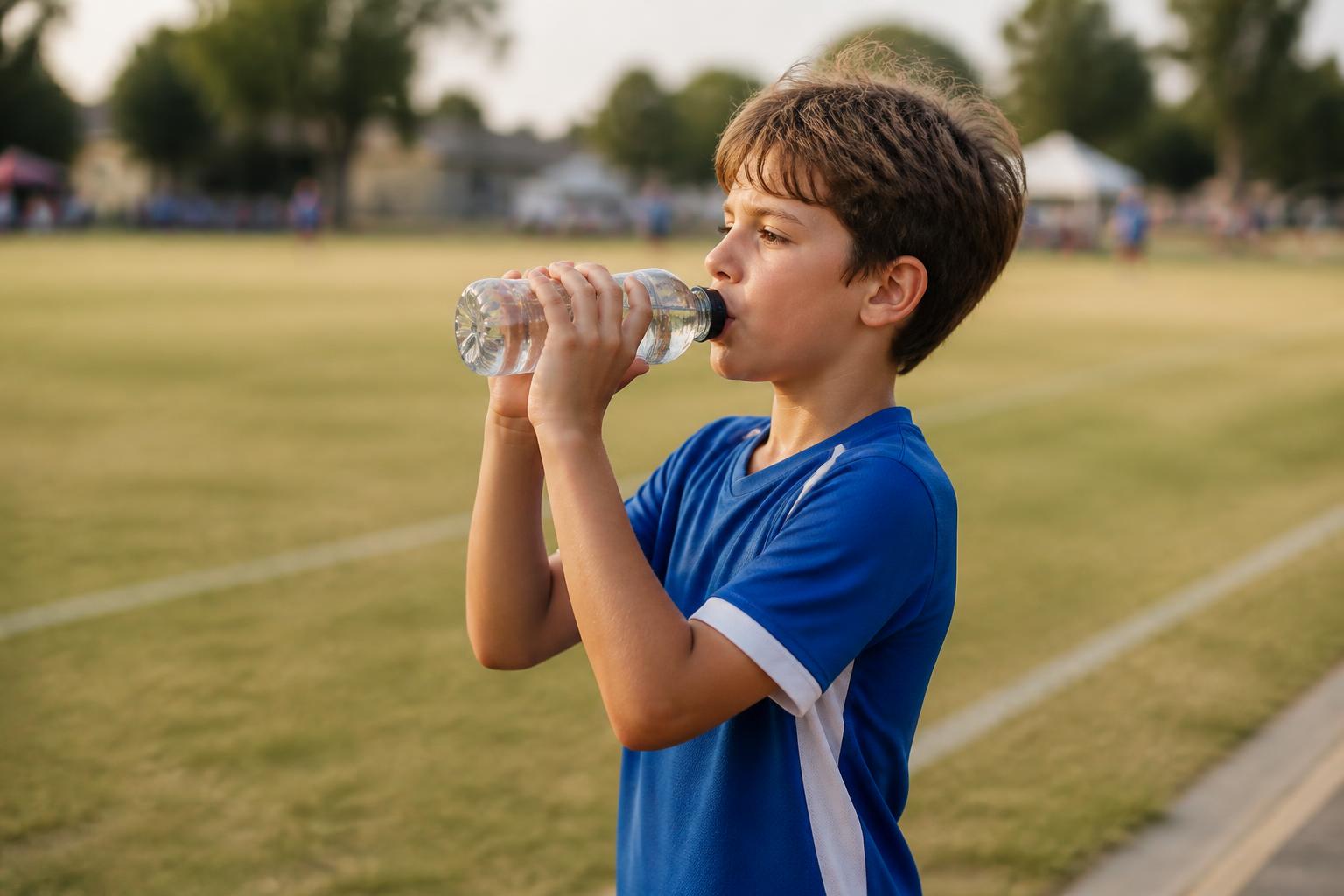
Start drinking water before you arrive at the field.

Young player in a light blue kit drinking from a labelled water bottle at the field
Water is the right choice for most practices and games.
  • Drink water with meals and throughout the day.
  • Take regular water breaks during practices and games.
  • Drink more during hot weather.
  • Choose water for most practices and games.
  • Longer, intense sessions in hot weather sometimes require an electrolyte drink. Parents should choose one with care.
  • Avoid energy drinks — they often contain high amounts of caffeine and sugar.

Tell an adult right away if you feel dizzy, weak, confused, sick, unusually tired, or unable to cool down.

03 — Warm-up & recovery

Warm-up before playing

A warm-up prepares your body for running, turning, jumping and kicking. Give it 8 to 10 minutes.

Youth soccer team performing a dynamic warm-up with high knees on a grass field
Move through the warm-up — keep every movement controlled.
  • 1Walk or jog lightly for two minutes.
  • 2Perform arm circles while moving.
  • 3Lift each knee toward your chest while walking.
  • 4Perform gentle walking lunges.
  • 5Shuffle sideways in both directions.
  • 6Complete several short runs — start slowly and increase your speed.
  • 7Dribble the ball with both feet.
  • 8Finish with short passes or light shooting.

Never force a stretch or continue through sharp pain.

04 — Warm-up & recovery

After the game

Help your body settle down before sitting for a long period.

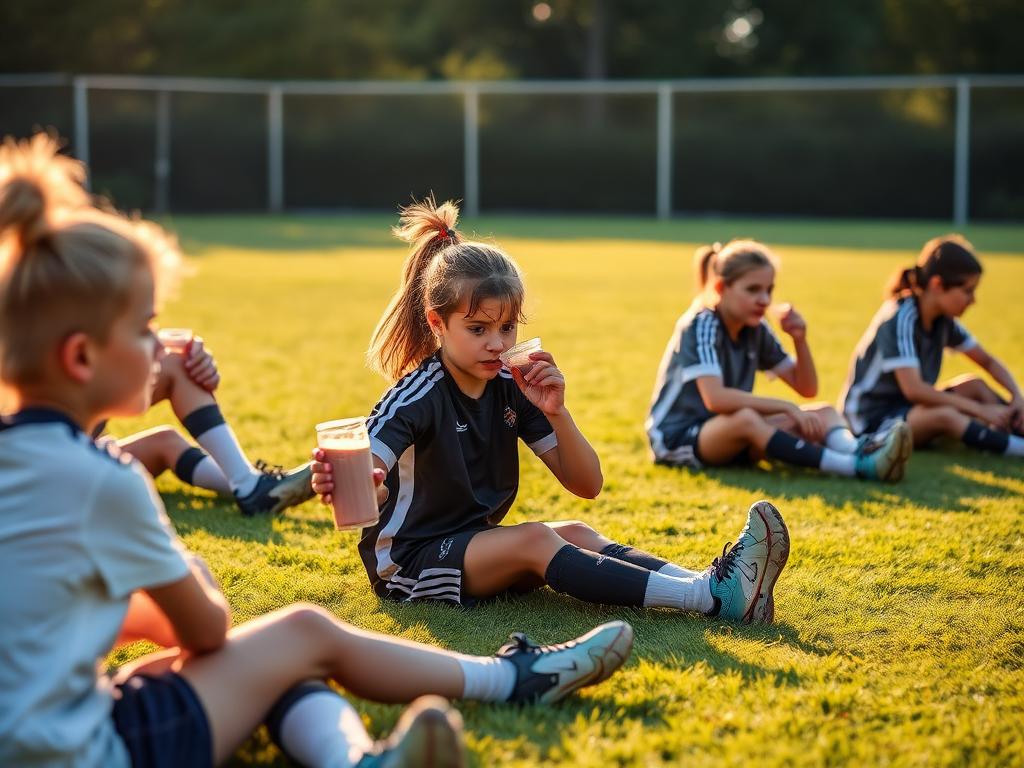
Young players stretching on the grass after a game with recovery drinks
Cool down, stretch, rehydrate and refuel.

Recovery routine

  • 1Walk slowly for three to five minutes.
  • 2Take slow breaths.
  • 3Gently stretch your calves, thighs, hips and back.
  • 4Hold each stretch for about 15 to 20 seconds.
  • 5Drink water.
  • 6Eat a snack or meal with carbohydrates and protein.
  • 7Change out of wet clothing.
  • 8Get enough sleep before your next activity.

Good recovery snacks

  • Chocolate milk and a banana
  • Yogurt and fruit
  • Cheese and crackers
  • A turkey sandwich
  • Peanut butter or seed butter on toast
  • Hummus and pita bread
  • Eggs and toast
  • A fruit smoothie with yogurt or milk

Do not train through sharp pain, swelling, limping or dizziness. Tell a parent and coach about any injury.

05 — Practice at home

Ball mastery routine

Use a ball and a small open space. Short, regular sessions build control, balance and accuracy.

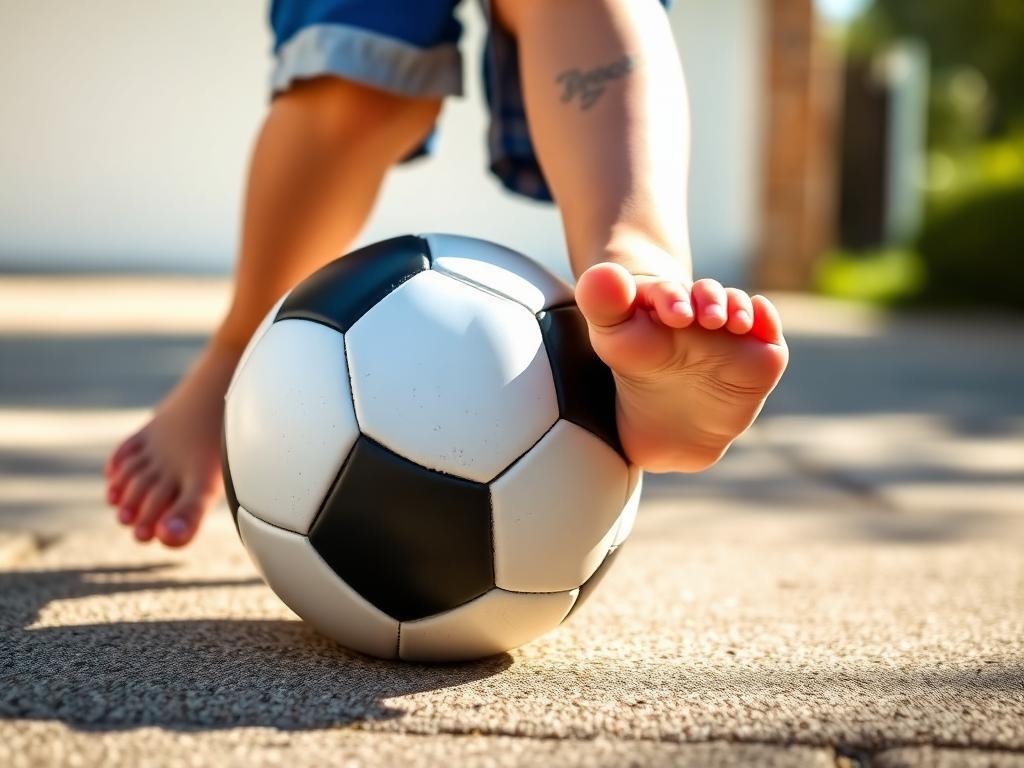
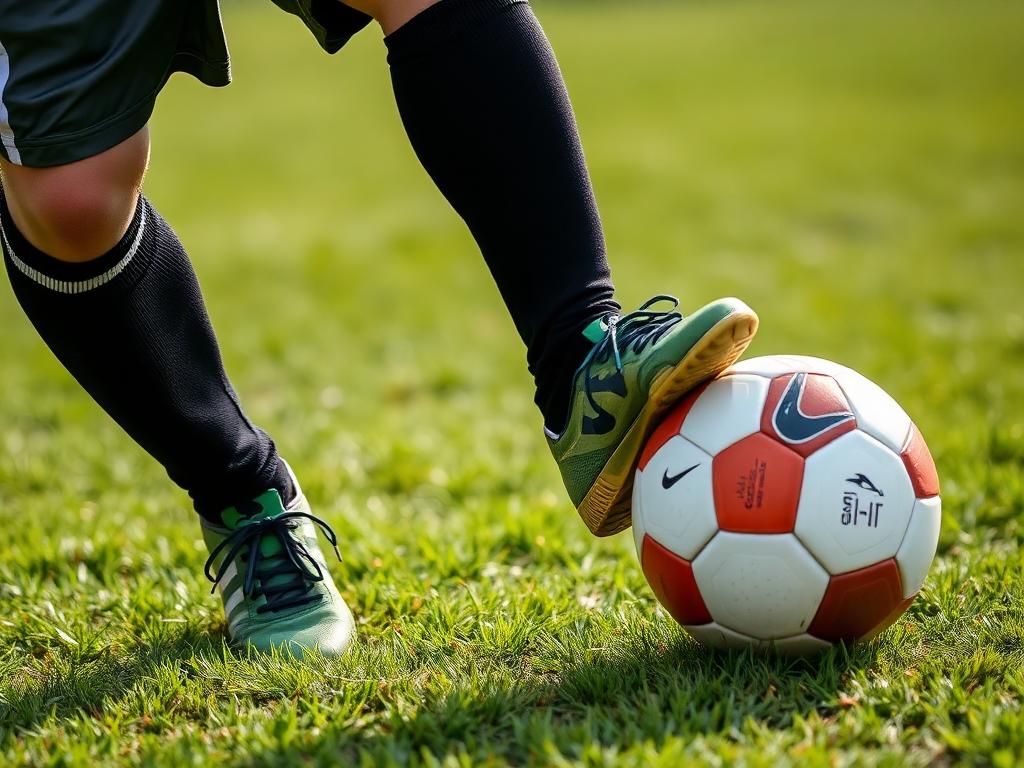
Close-up of a child performing sole rolls and toe taps on a soccer ball
Light touches, quick feet, head up whenever possible.
  • 1Tap the top of the ball with alternating feet for 30 seconds.
  • 2Move the ball side to side between your feet for 30 seconds.
  • 3Roll the ball across your body with the sole of each foot.
  • 4Pull the ball backward, then push forward with the same foot.
  • 5Dribble in a small square and change direction every few steps.
  • 6Repeat the routine three times.

06 — Practice at home

Dribbling course

One soccer ball plus five cones, shoes, cups or other safe markers.

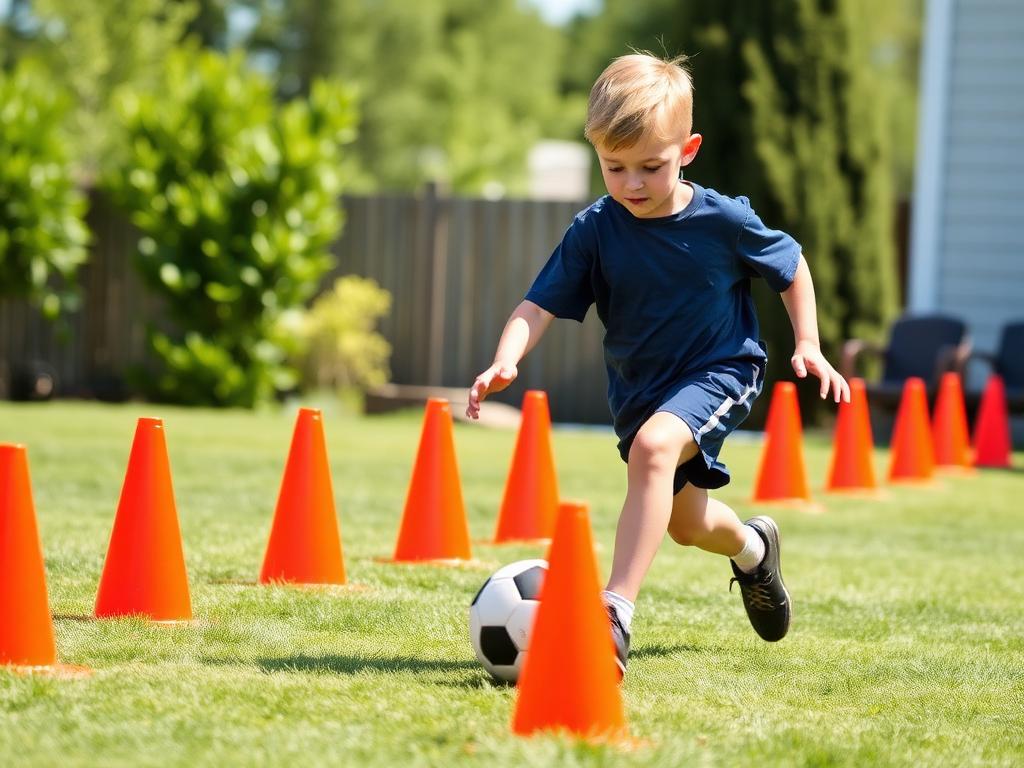
Young player dribbling a soccer ball through a line of orange cones in a backyard
One slow round for control, one faster round for speed.
  • 1Place the markers in a straight line.
  • 2Leave one or two large steps between each marker.
  • 3Dribble through the course with your right foot.
  • 4Return using your left foot.
  • 5Use the inside and outside of each foot.
  • 6Complete one slow round with close control.
  • 7Complete one faster round.
  • 8Record your best time without losing control.

Make the course harder by moving the markers closer together.

07 — Practice at home

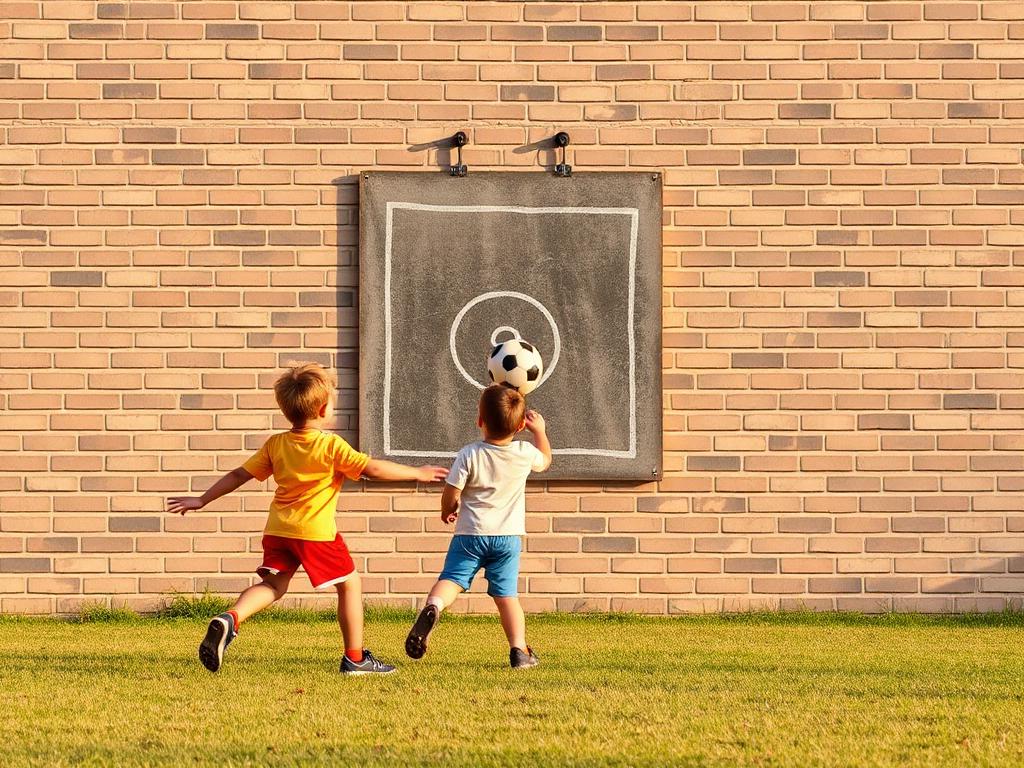
Wall passing practice

Use a safe wall, rebounder or sturdy board. Ask an adult for permission first.

Children passing a soccer ball against a brick wall with a chalk target
Twenty controlled passes, then move farther back.
  • 1Stand two or three metres from the wall.
  • 2Pass with the inside of your right foot.
  • 3Receive the returning ball with your left foot.
  • 4Pass again with your left foot.
  • 5Complete 20 controlled passes.
  • 6Move farther away.
  • 7Try one-touch passes after gaining control.
  • 8Aim for a marked target.

Never use a wall near windows, vehicles, people or breakable objects.

08 — Practice at home

First touch & weaker foot

A good first touch prepares your next pass, dribble or shot. Most players favour one foot — give the other equal practice.

Player cushioning an incoming ball with the inside of the foot
Cushion the ball, then move it into open space.

First-touch practice

  • 1Pass the ball against a safe wall.
  • 2Cushion the returning ball with the inside of your foot.
  • 3Move the ball slightly away from your body.
  • 4Take your next touch into open space.
  • 5Turn left on one repetition and right on the next.
  • 6Repeat with both feet.

Weaker-foot challenge

  • 20 short passes
  • 20 controlled touches
  • 10 dribbles around a marker
  • 10 passes toward a target
  • 10 gentle shots
  • Track your totals each week.

09 — Practice at home

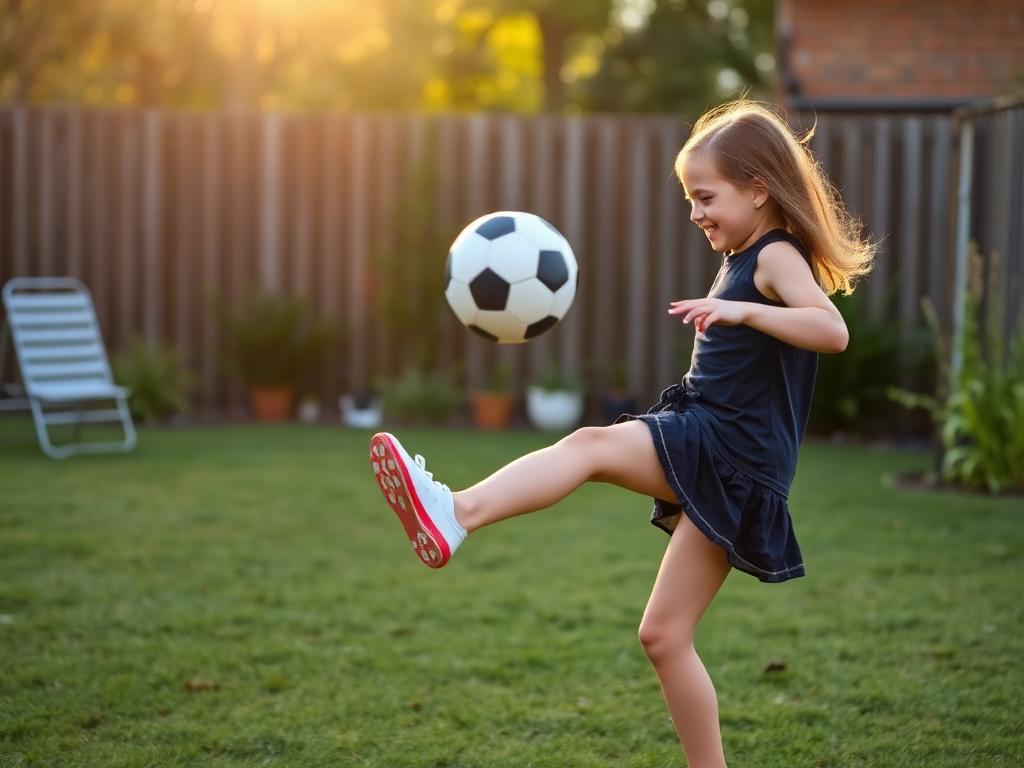
Juggling challenge

Focus on your personal record. Do not compare your score with another player's score.

Girl juggling a soccer ball with her foot in a backyard
Drop, strike, catch — then add a second touch.
  • 1Hold the ball in both hands.
  • 2Drop the ball toward one foot.
  • 3Kick upward with the top of your foot.
  • 4Catch the ball after one touch.
  • 5Progress to two touches before catching.
  • 6Alternate feet.
  • 7Try using your thighs after gaining control.

10 — Indoor & outdoor

Indoor soccer activities

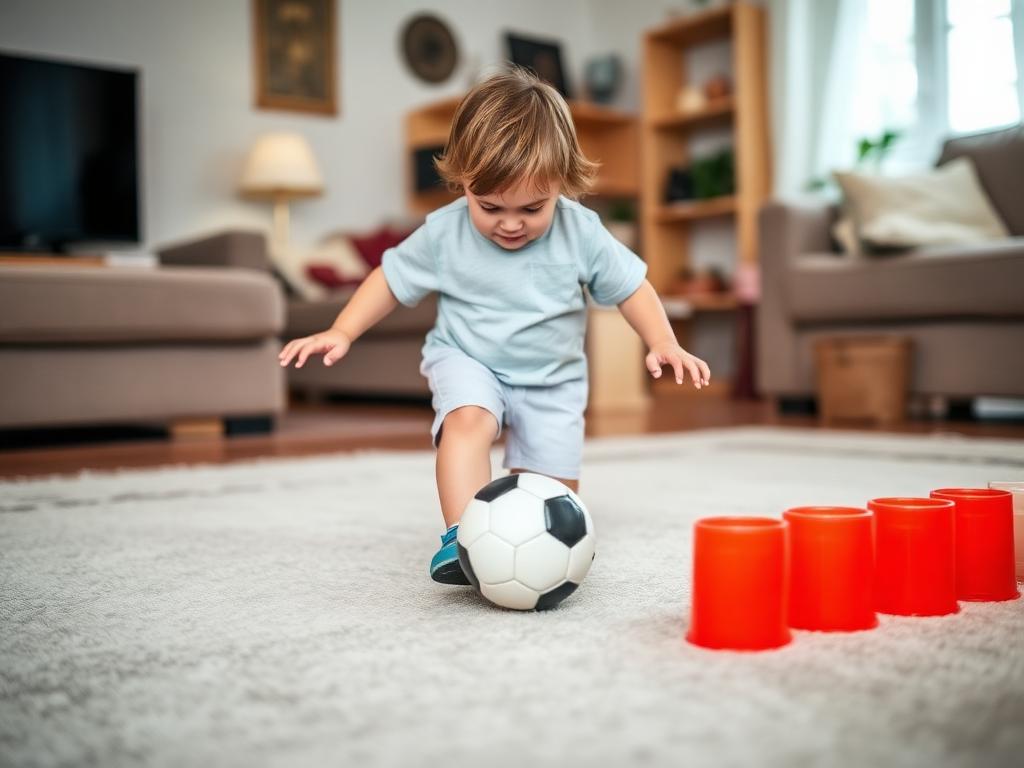
Use a soft foam ball or a rolled pair of socks. Clear the area first.

Child dribbling a ball through plastic cups on a living room floor
Cups, shoes and socks make a great indoor course.
  • Dribble through a line of plastic cups.
  • Pass through two shoes used as a small gate.
  • Practise toe taps.
  • Practise inside-foot touches.
  • Balance on one foot while moving the soft ball with the other foot.
  • Pass with a family member.
  • Build a slow obstacle course.
  • Perform seated foot-control exercises.

Avoid hard kicks, running on slippery floors, stairs, glass, furniture and tight spaces.

11 — Indoor & outdoor

Outdoor soccer activities

Open space, a ball and a little imagination.

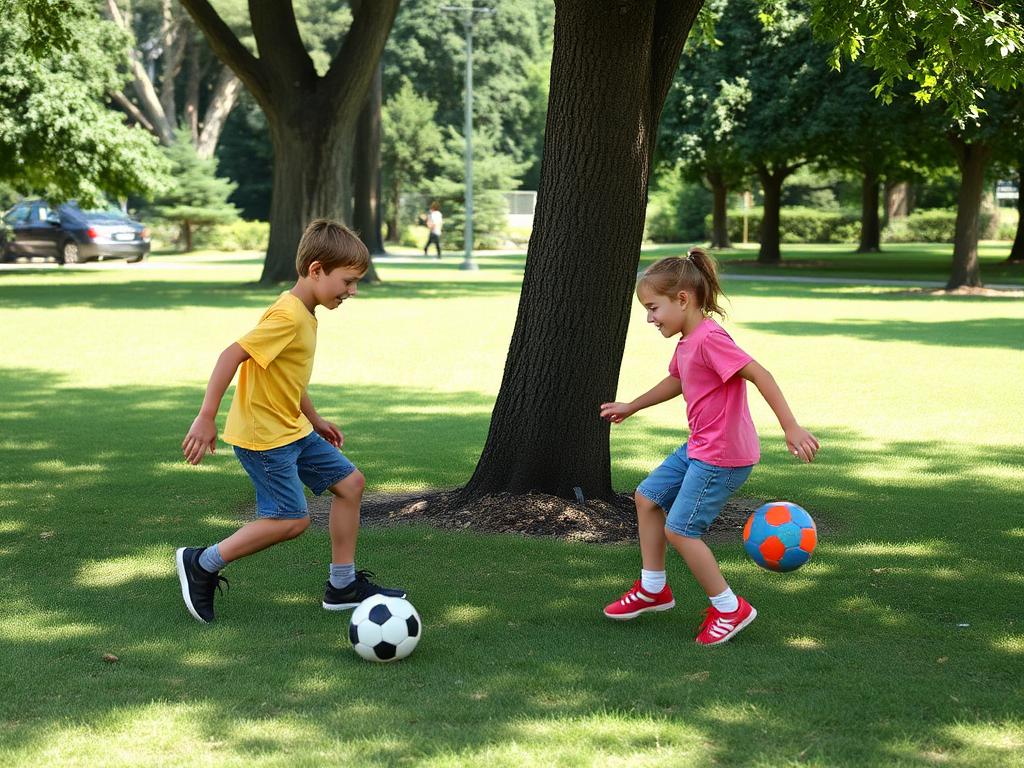
Two children playing one-on-one soccer in a park
Small-sided play builds decisions as well as skill.
  • Dribble around trees or cones.
  • Pass toward chalk targets.
  • Play one-on-one in a small space.
  • Practise turning away from a defender.
  • Work on short passes before long passes.
  • Sprint toward a marker, slow down and change direction.
  • Practise throw-ins with proper foot placement.
  • Play small games with siblings or friends.
  • Create a shooting accuracy contest.

Ask an adult to check the area for holes, traffic, broken glass and other hazards.

12 — Fitness & balance

Fitness without a ball

Young players should focus on safe movement, coordination and good form. Complete two or three rounds.

Youth players doing bodyweight squats and core work on a field
Bodyweight work — form first, reps second.
  • 20 seconds of jumping jacks
  • 8 bodyweight squats
  • 6 lunges on each leg
  • 20 seconds of high knees
  • 10 calf raises
  • 20 seconds of plank
  • 30 seconds of rest

Stop if you feel pain, dizziness or unusual shortness of breath. Older players should follow strength programs approved by a qualified coach or trainer.

13 — Fitness & balance

Balance and coordination

Complete each activity on both sides of your body.

Child balancing on one foot with a soccer ball under the other foot beside an agility ladder
Balance work transfers straight into turning and shielding.
  • Stand on one foot for 20 seconds.
  • Balance while gently moving a ball under the other foot.
  • Walk heel-to-toe along a straight line.
  • Hop forward and land softly.
  • Hop sideways over a line.
  • Throw and catch a ball while standing on one foot.
  • Move through a simple agility ladder pattern.

14 — Plan by age

Training tips by age

Choose activities suited to your age, fitness level and team schedule.

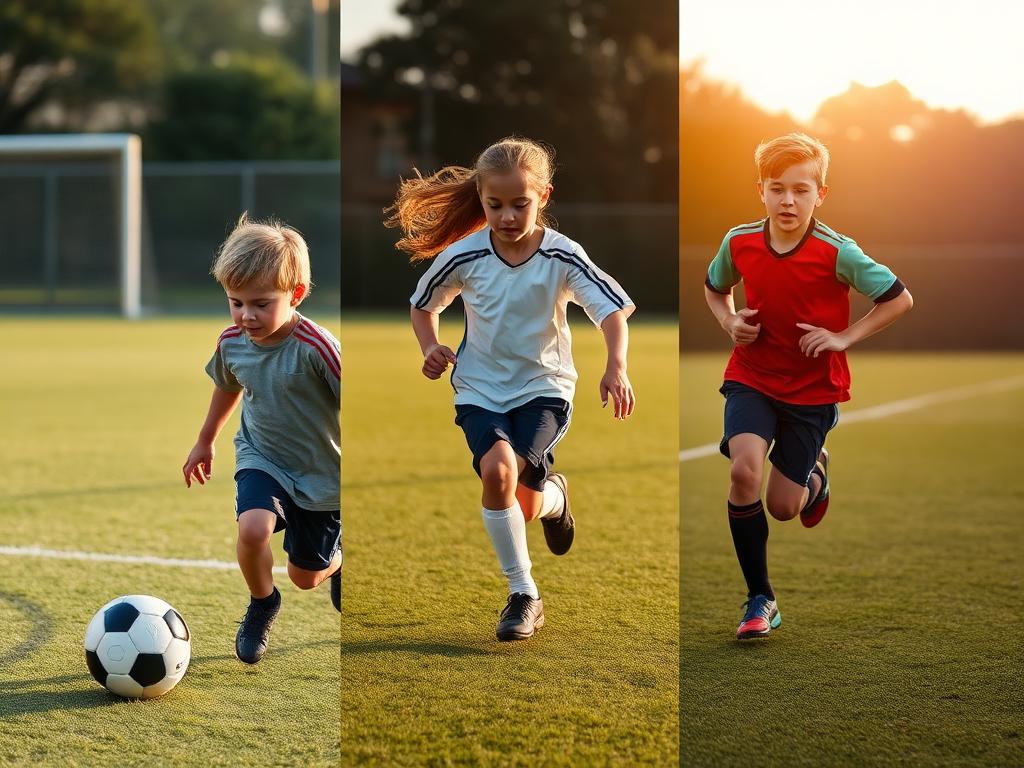
Three youth soccer players of different ages training on a field
Playful at 5, purposeful at 10, position-specific at 15.

Ages 4 to 7

  • Keep home practice playful.
  • Practise for 5 to 15 minutes.
  • Focus on running, stopping, balance, dribbling and kicking.
  • Use simple games and large targets.
  • End while your child still feels interested.

Ages 8 to 12

  • Practise for 15 to 25 minutes.
  • Work on both feet.
  • Add passing, first touch, turning and ball control.
  • Set one small goal for each session.
  • Include free play without constant instruction.

Ages 13 to 18

  • Practise for 20 to 40 minutes based on the team schedule.
  • Add speed, agility, strength and position-specific skills.
  • Focus on first touch under pressure.
  • Review decisions made during games.
  • Schedule recovery and rest days.
  • Speak with your coach before adding hard training sessions.

15 — Plan by age

Weekly home practice plan

Adjust this plan around games, practices, school, injuries and your coach's instructions.

Monday

  • 15 minutes of ball mastery
  • 5 minutes of stretching

Tuesday

  • Team practice or rest

Wednesday

  • 10 minutes of wall passing
  • 10 minutes of dribbling
  • 5 minutes of balance work

Thursday

  • Rest or light family activity

Friday

  • 10 minutes of first-touch practice
  • 10 minutes of shooting or passing accuracy

Saturday

  • Game day or small-sided play

Sunday

  • Rest, light walking or gentle mobility

16 — Plan by age

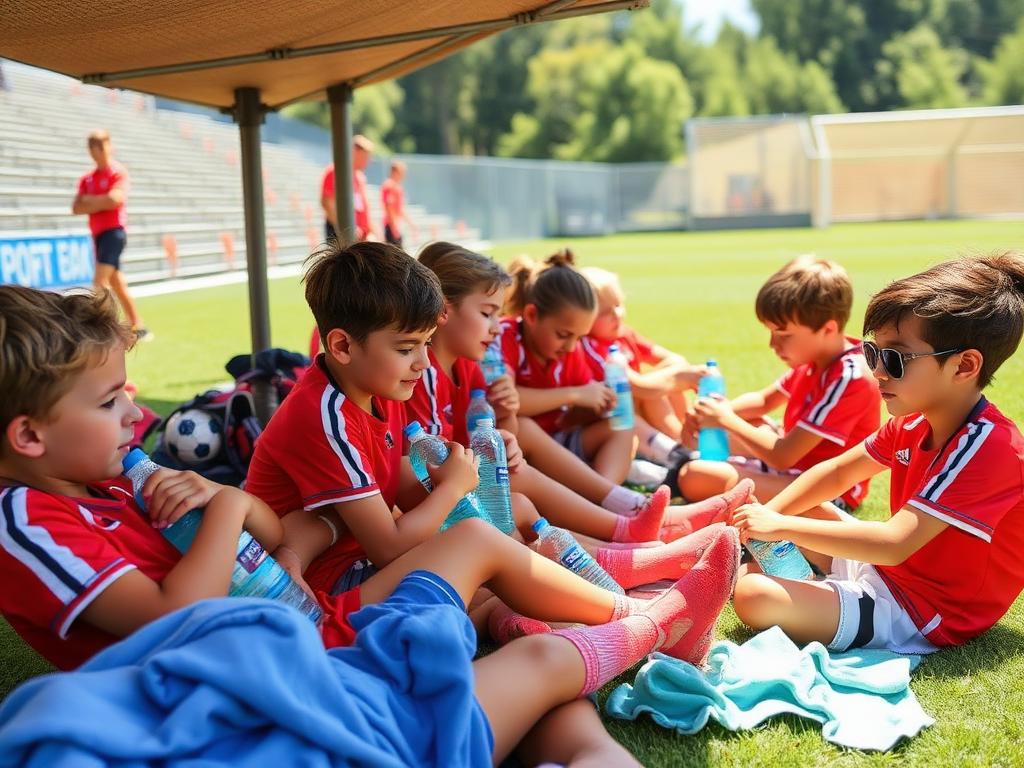
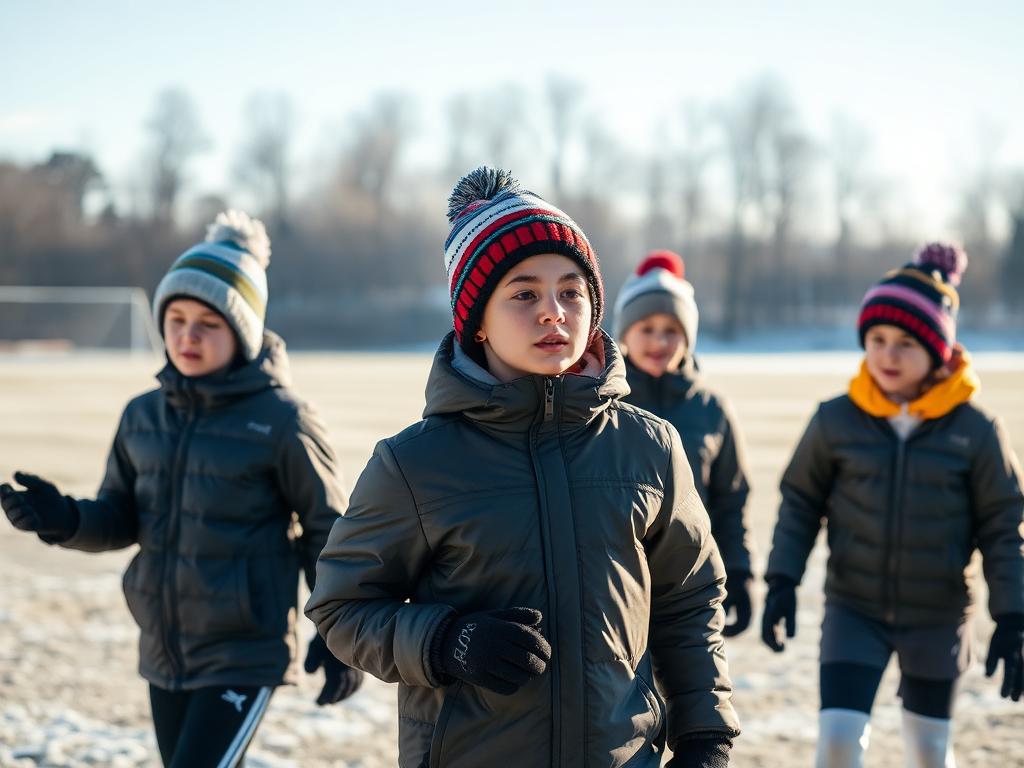
Training in hot and cold weather

Alberta gives us both extremes in one season. Prepare for each.

Youth players resting in the shade with water bottles on a hot day
Hot weather: shade, water and shorter hard efforts.
Youth players training in layers, gloves and toques on a frosty field
Cold weather: layers, longer warm-up, dry clothes after.

Hot weather

  • Drink water before arriving.
  • Bring extra water.
  • Wear light, suitable clothing.
  • Use sunscreen.
  • Rest in the shade during breaks.
  • Reduce hard activity during extreme heat.
  • Tell an adult about headache, nausea, dizziness, confusion, cramps or weakness.

Cold weather

  • Wear layers.
  • Keep hands and feet warm.
  • Remove wet clothing after playing.
  • Warm up longer before hard running.
  • Watch for icy or frozen playing surfaces.
  • Stop if numbness, shaking or loss of coordination starts.

17 — Mind & teamwork

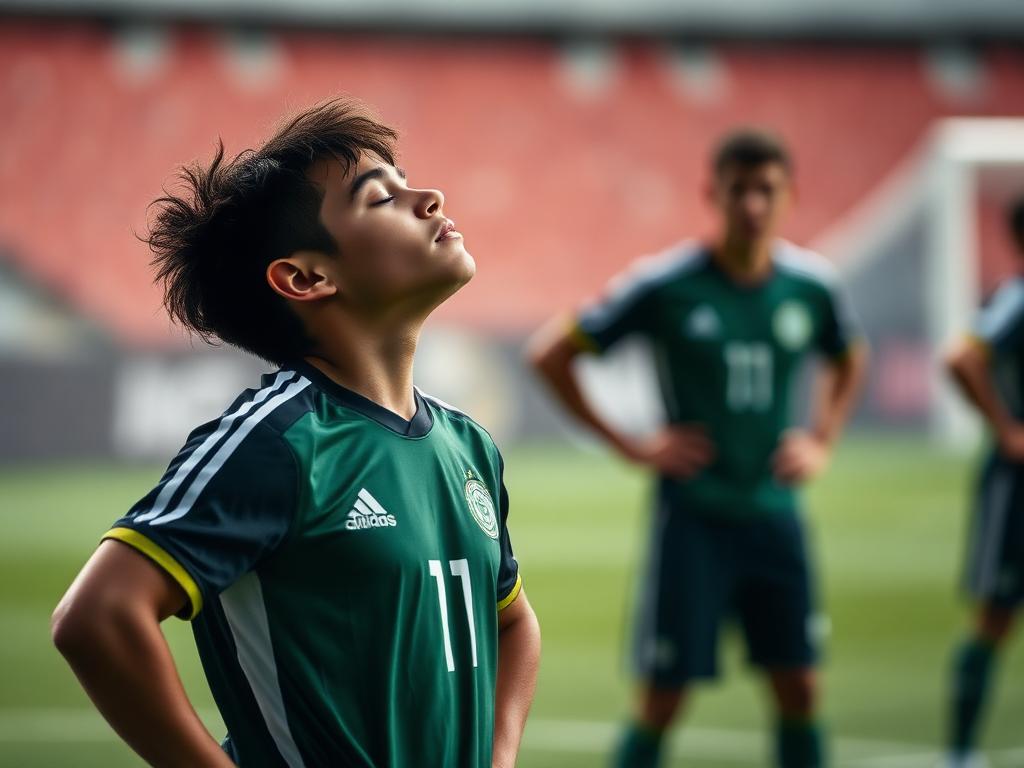
Building confidence

Confidence grows through preparation and effort. Feeling nervous means the game matters to you.

Young soccer player taking a calm deep breath before kickoff
Three slow breaths, one simple goal.

Before the game

  • 1Take three slow breaths.
  • 2Choose one simple goal.
  • 3Picture yourself completing a good first pass.
  • 4Remind yourself to communicate.
  • 5Focus on effort and teamwork.

Good game goals

  • Make five accurate passes.
  • Use both feet.
  • Talk to teammates.
  • Recover quickly after losing the ball.
  • Keep moving into open space.
  • Encourage another player.

Reset after a mistake

  • 1Take one breath.
  • 2Say, "Next play."
  • 3Look around the field.
  • 4Move into a useful position.
  • 5Help your team.

One-minute relaxation routine

  • 1Breathe in slowly through your nose.
  • 2Breathe out slowly through your mouth.
  • 3Relax your shoulders.
  • 4Loosen your hands.
  • 5Picture one simple soccer action.
  • 6Repeat three times.

18 — Mind & teamwork

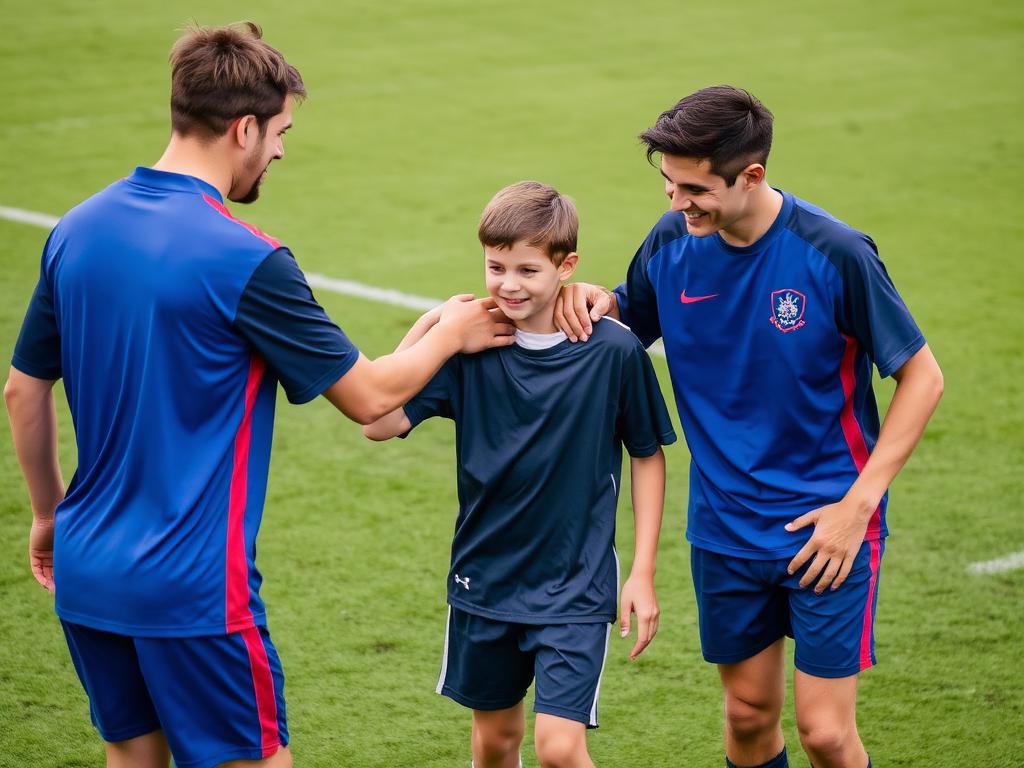
Good teammate habits

The habits that make a team worth joining.

Teammates encouraging a young player on the pitch
Encourage first, correct later.
  • Arrive on time.
  • Listen when coaches speak.
  • Encourage teammates.
  • Respect referees and opponents.
  • Help with equipment.
  • Include new players.
  • Control your words and actions.
  • Admit mistakes.
  • Celebrate team effort.
  • Shake hands after the game.

19 — Mind & teamwork

Family soccer activities

Six games any family can run in the backyard or a park.

Family playing soccer together in a backyard with cone gates
Twenty minutes together beats an hour alone.

Passing circle

  • Stand in a circle.
  • Pass to another family member.
  • Call the person's name before passing.
  • Add a second ball for a harder challenge.

Gate passing

  • Build several gates with cones or shoes.
  • Earn one point for each pass through a gate.
  • Move to a new gate after every point.

Target challenge

  • Place safe targets along a fence or on the ground.
  • Give each target a point value.
  • Take five shots per round.
  • Use both feet.

Family obstacle relay

  • Set up a dribbling course.
  • Take turns completing the course.
  • Add a turn, pass or target shot.
  • Focus on control before speed.

Follow the leader

  • One person performs a soccer movement.
  • Everyone copies the movement.
  • Change leaders after one minute.

Coach for a minute

  • Let your child teach one skill.
  • Ask your child to explain each step.
  • Follow the instructions.
  • Praise clear communication and patience.

20 — Mind & teamwork

Questions for parents after a game

Ask questions focused on learning and enjoyment.

Parent and child talking happily after a soccer game
Give your child time to settle before talking about the game.
  • What part of the game did you enjoy?
  • What did your team do well?
  • What skill felt stronger today?
  • What would you like to practise next?
  • How did you help a teammate?

Avoid starting with the score, mistakes or criticism.

21 — Rest & safety

Game-day bag checklist

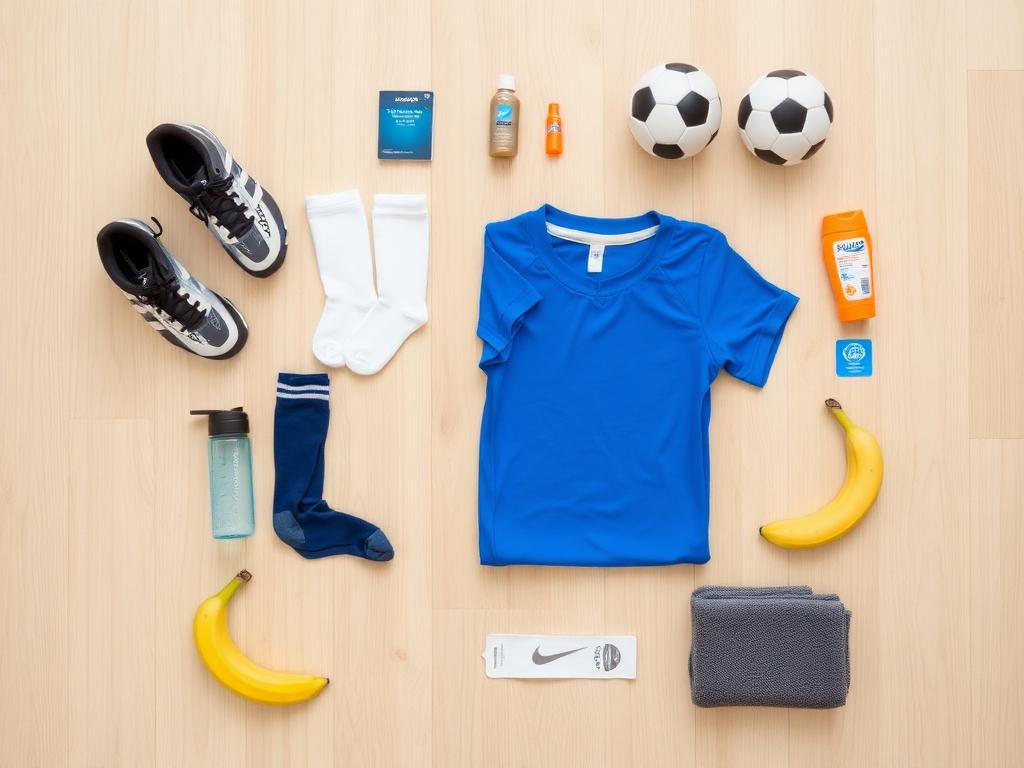
Check your bag the night before the game.

Flat lay of game-day bag contents: cleats, shin guards, jersey, socks, water bottle, sunscreen and a snack
Everything packed and labelled before bedtime.
  • Soccer shoes
  • Shin guards
  • Team uniform
  • Extra socks
  • Labelled water bottle
  • Weather-appropriate clothing
  • Sunscreen
  • Healthy snack
  • Needed medication
  • Small towel
  • Plastic bag for wet clothing
  • Emergency contact information

22 — Rest & safety

Rest and sleep

Sleep supports learning, recovery, mood and physical performance. Rest forms part of training.

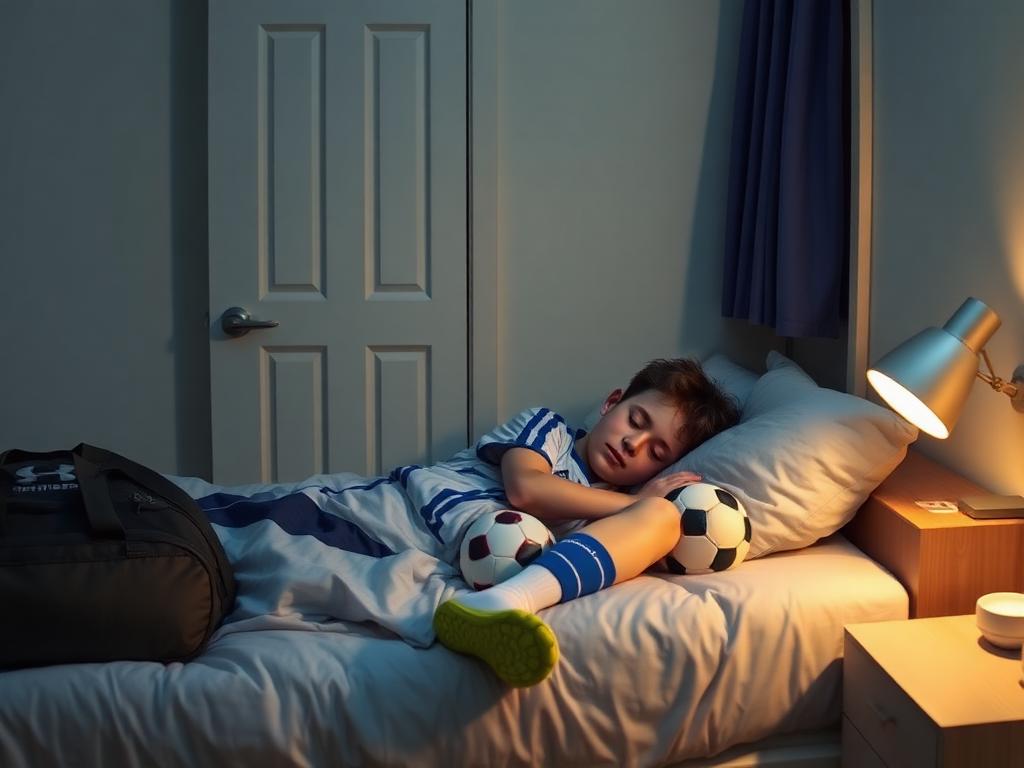
Young soccer player asleep with kit packed by the bedroom door
Schedule easier days after demanding games or tournaments.
  • Follow a regular bedtime.
  • Reduce screen use before bed.
  • Prepare your equipment before bedtime.
  • Keep your room cool and quiet.
  • Avoid hard workouts late at night.
  • Tell a parent if pain keeps you awake.

23 — Rest & safety

Injury and concussion safety

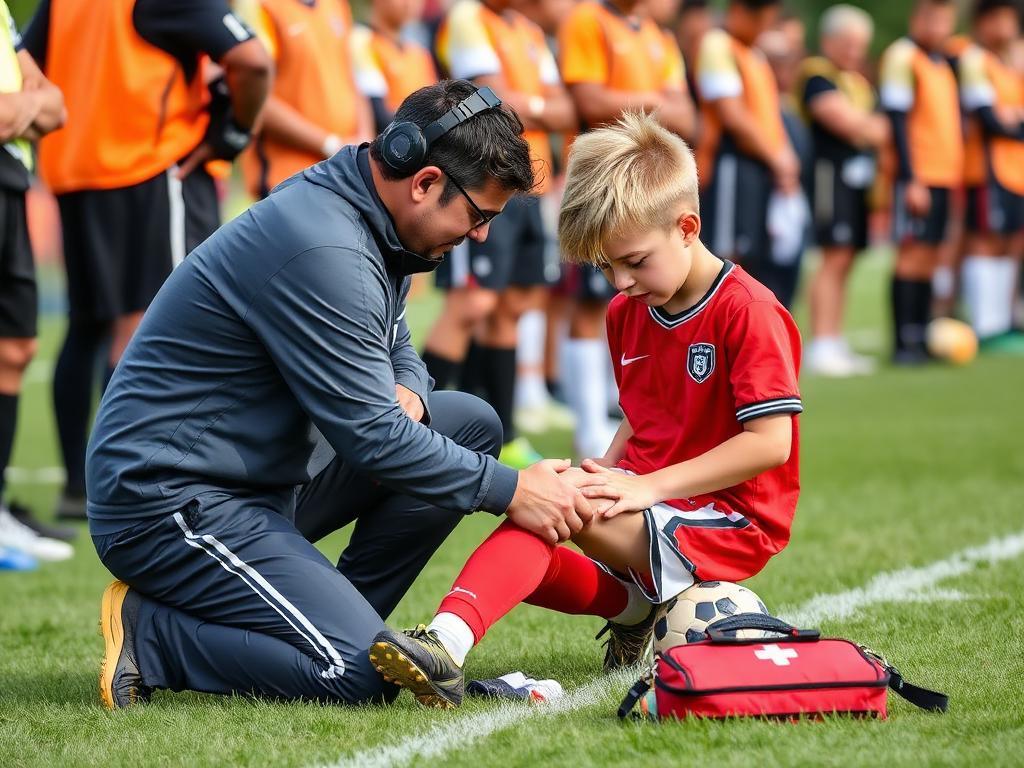
Stop playing and tell an adult after a hard hit to the head, face, neck or body if any warning signs appear.

Coach checking on an injured young player at the sideline with a first aid kit
Never hide an injury to stay in a game.

Concussion warning signs

  • Headache
  • Dizziness
  • Confusion
  • Blurred vision
  • Nausea
  • Balance problems
  • Unusual behaviour
  • Memory problems
  • Sensitivity to light or noise

A player with a suspected concussion must leave the activity, and needs medical assessment and proper clearance before returning to soccer. Do not practise heading at home — follow the club's age-specific heading rules and coach-led instruction.

Stop playing and tell an adult if you experience

  • Sharp or increasing pain
  • Chest pain
  • Trouble breathing
  • Fainting
  • Confusion
  • Serious bleeding
  • Sudden weakness
  • A visible bone or joint deformity
  • Inability to walk normally
  • Signs of a concussion

Final tip

Enjoy learning. Work on one skill at a time. Support your teammates. Listen to your coaches. Take care of your body. Small practice sessions throughout the season will help you grow as a player and teammate.

Medical note: this page provides general education. Parents should speak with a doctor, registered dietitian, physiotherapist or qualified coach about injuries, medical conditions, allergies, nutrition needs or individual training plans.

Full library included with registration

Sign in with your family account to unlock every video and your personal playlists — or take the demo for a spin first.